


All our cutlery ranges are inspired by, and named after, trees, from the width of the trunks to the curve of pine needles. Last week we talked about the first half of our forrest, trees A – L, which you can read here, or read on to find out a little bit about the rest of the trees in the Studio William forest…

The Mahogany Tree
A large, semi-evergreen tree which can reach up to 200 feet tall, shooting through the rainforest canopy. Found in Central and South Americas, they can live up to 350 years. Their deep reddish wood is often used for musical instruments and high-end furniture. Overtime the tree produces brown, pear-shaped fruit, known as ‘sky fruit’, because they grow standing upright rather than hanging.
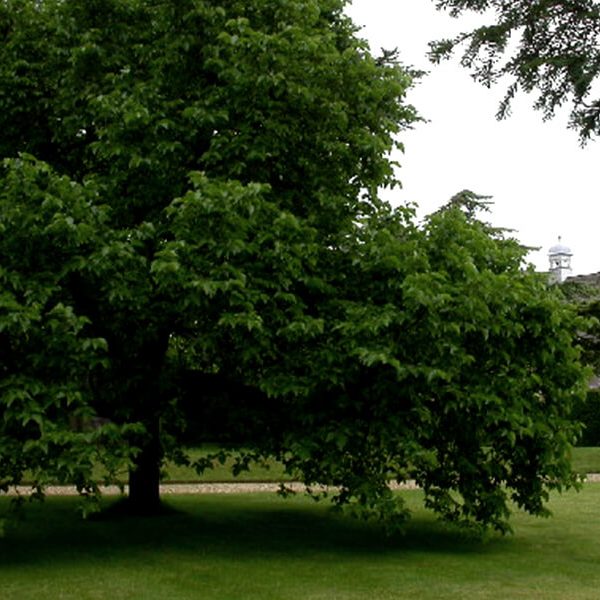
The Mulberry Tree
Primarily cultivated for its fruit and as an ornamental tree, there are three main species: red, white, and black. The Red Mulberry is native to North America and is the tallest, reaching 21 metres. The White Mulberry, native to Asia but introduced to Southern Europe. And the Black Mulberry, the most common of the three, originally native to Western Asia but quickly spread Westwards.
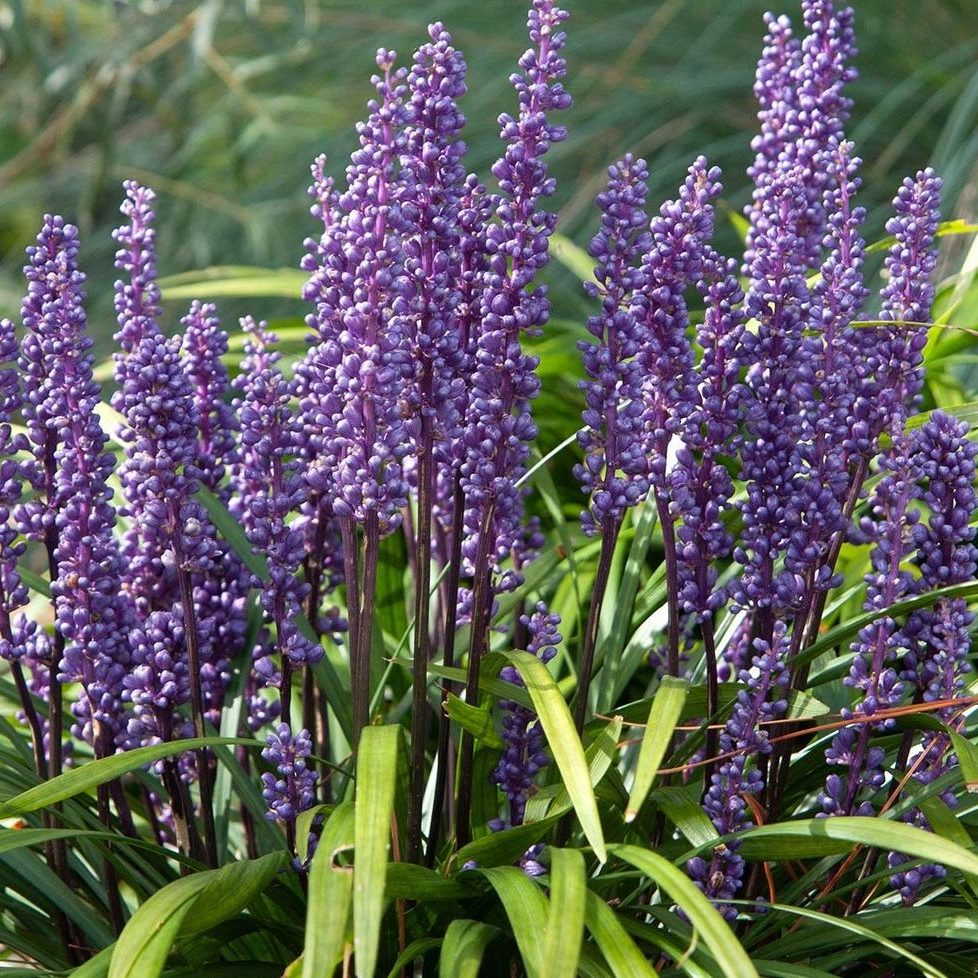
The Okina Plant
Also known as Liriope Muscari or Lily Turf, an evergreen shrub growing up to 0.5 metres tall. Native to Asia Pacific, but becoming popular in UK gardens due to being very durable plants. Their narrow arching leaves start off almost pure white in spring, turning green through summer, and then darkening by autumn. In early autumn, the Okina produces vibrant purple flowers on straight, stick like stems.
The Olive Tree
Primarily found in the Mediterranean, it is known for its gnarled, twisted trunk and silvery leaves. They are extremely resilient with the oldest Olive tree, found in Greece, being more than 2000 years old and still bearing fruit. They have long been a sign of peace, with the olive branch symbol appearing on multiple flags including the flag of the United Nations.


The Redwood Tree
Considered the tallest tree in the world. The current largest, named “Hyperion”, stands at 115.92m tall, found in California. Redwoods can live for thousands of years, with entire ecosystems surviving high within the branches. Seen as ornamental trees, it is an evergreen with thick reddish-brown bark, and their branches form a dense cone shape towards the top while lower branches swoop downwards.
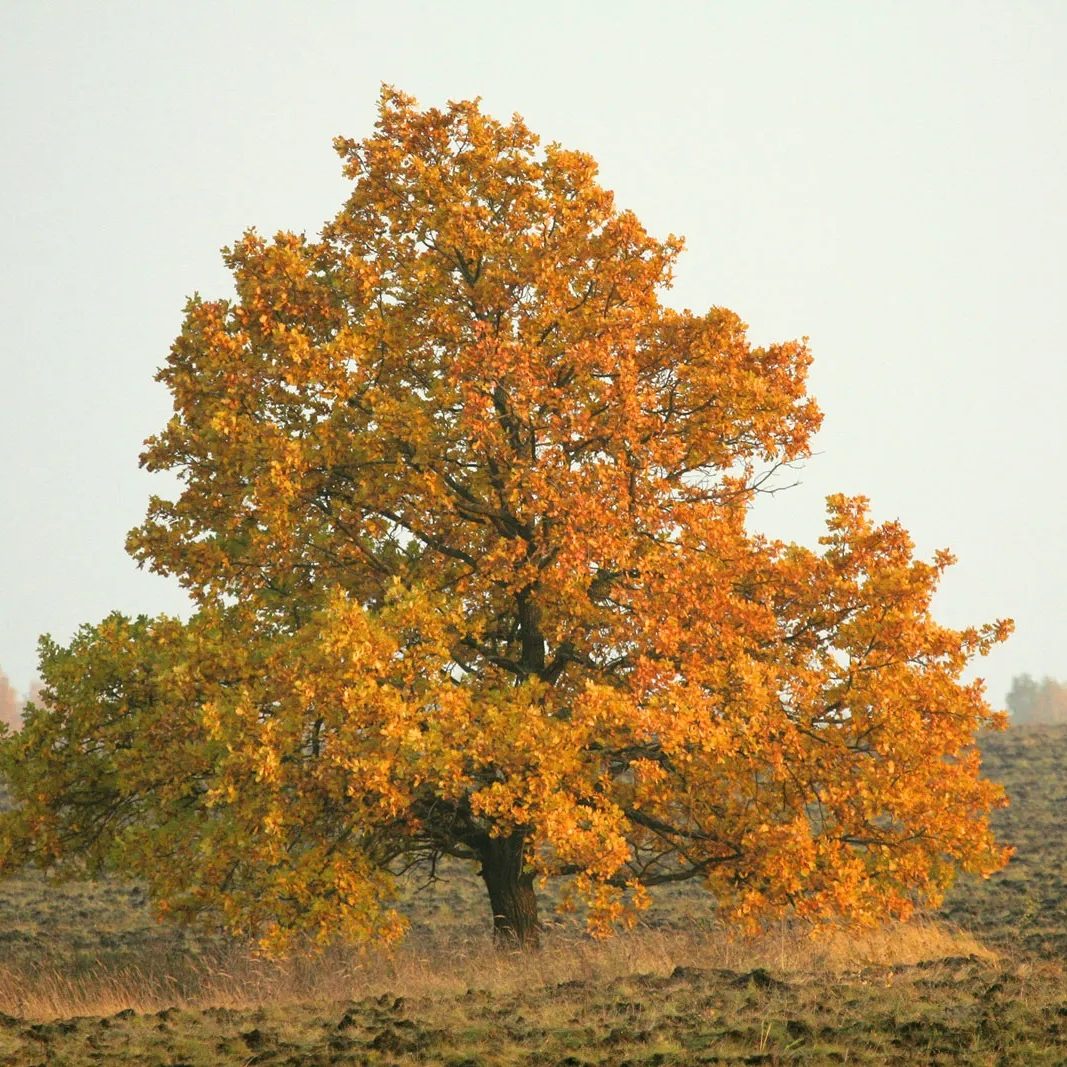
The Royal Oak Tree
One of the most iconic trees in the UK. Known for their acorns and overall size, the trunks can grow over 8 metres wide. Popular as ornamental trees but also used as timber for period roof construction and hand-made furniture. Historically, after escaping the Battle of Worcester in 1651, the future King Charles II travelled Northwards, hiding in an oak tree to avoid Roundhead soldiers.
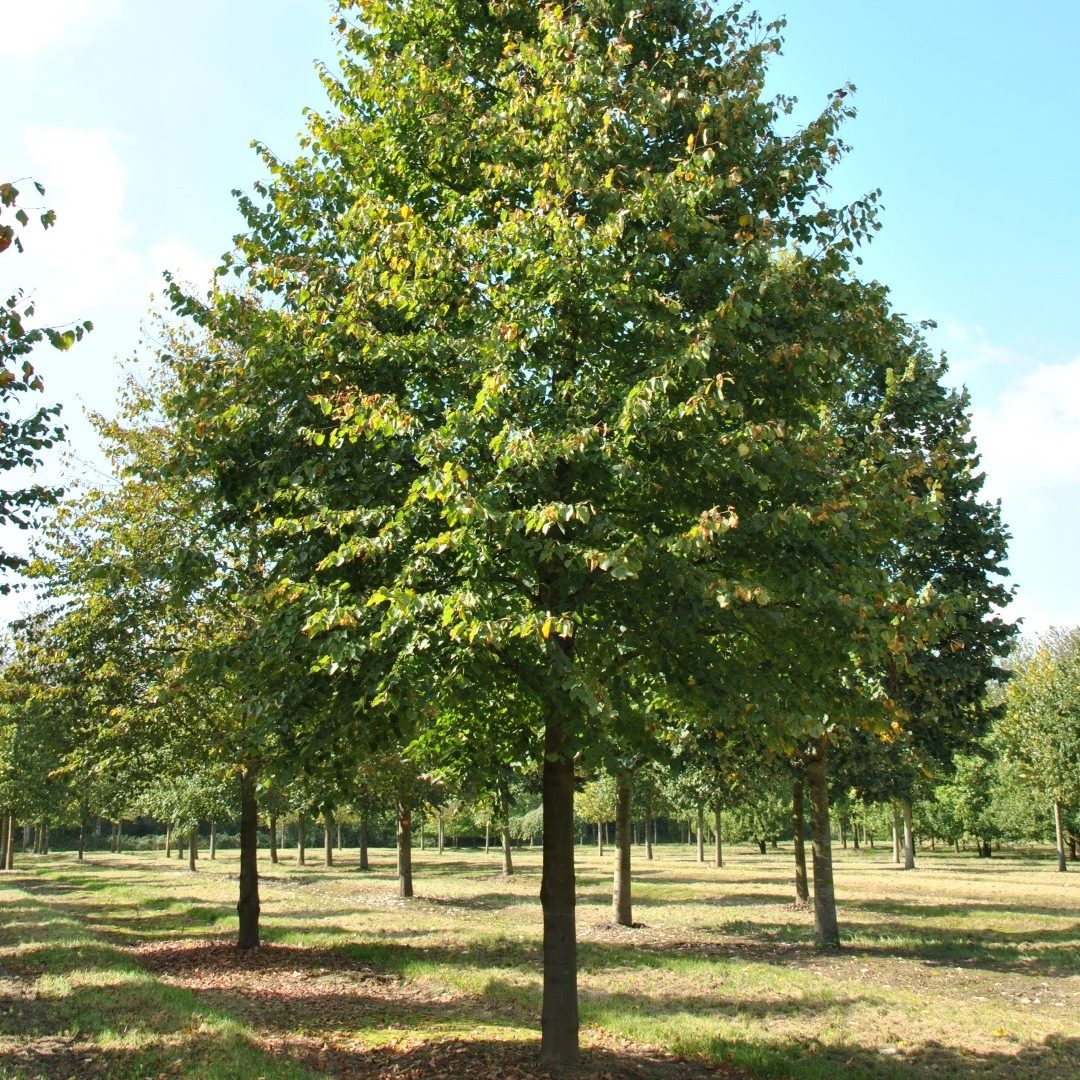
The Tilia Tree
Also referred to as small-leaved lime tree, it is native to Europe and typically reaches hights of 25 – 30 metres. They are identifiable by their straight trunks, making them uniform in appearance and perfect for street planting and urban areas. Although frequently called lime, Tilia has no relation to the citrus lime, instead producing flowers which are particularly beneficial to bees.
You can find out more about how each of the trees in the Studio William forest inspire their ranges over on our Discovery pages here. Or head over to our shop to find your favourite tree inspired cutlery range!