


All our cutlery ranges are inspired by, and named after, trees, from the width of the trunks to the curve of pine needles. Read on to find out a little bit about some of the trees in the Studio William forest…

The Arolla Pine
An evergreen tree widely found across central Europe. These trees are straight and narrow, broadening in foliage over time, and have dark green curved needles which grow in bunches of five. They are popular for use in urban areas as they are hardy trees, being resistant to wind and pollution.
The Balsa Tree
A member of the mallow family. Balsa trees are native to South America, these trees grow rapidly, reaching close to 30 metres in under 15 years. Known for its lightweight and light-coloured wood, Balsa is a popular material for model making.

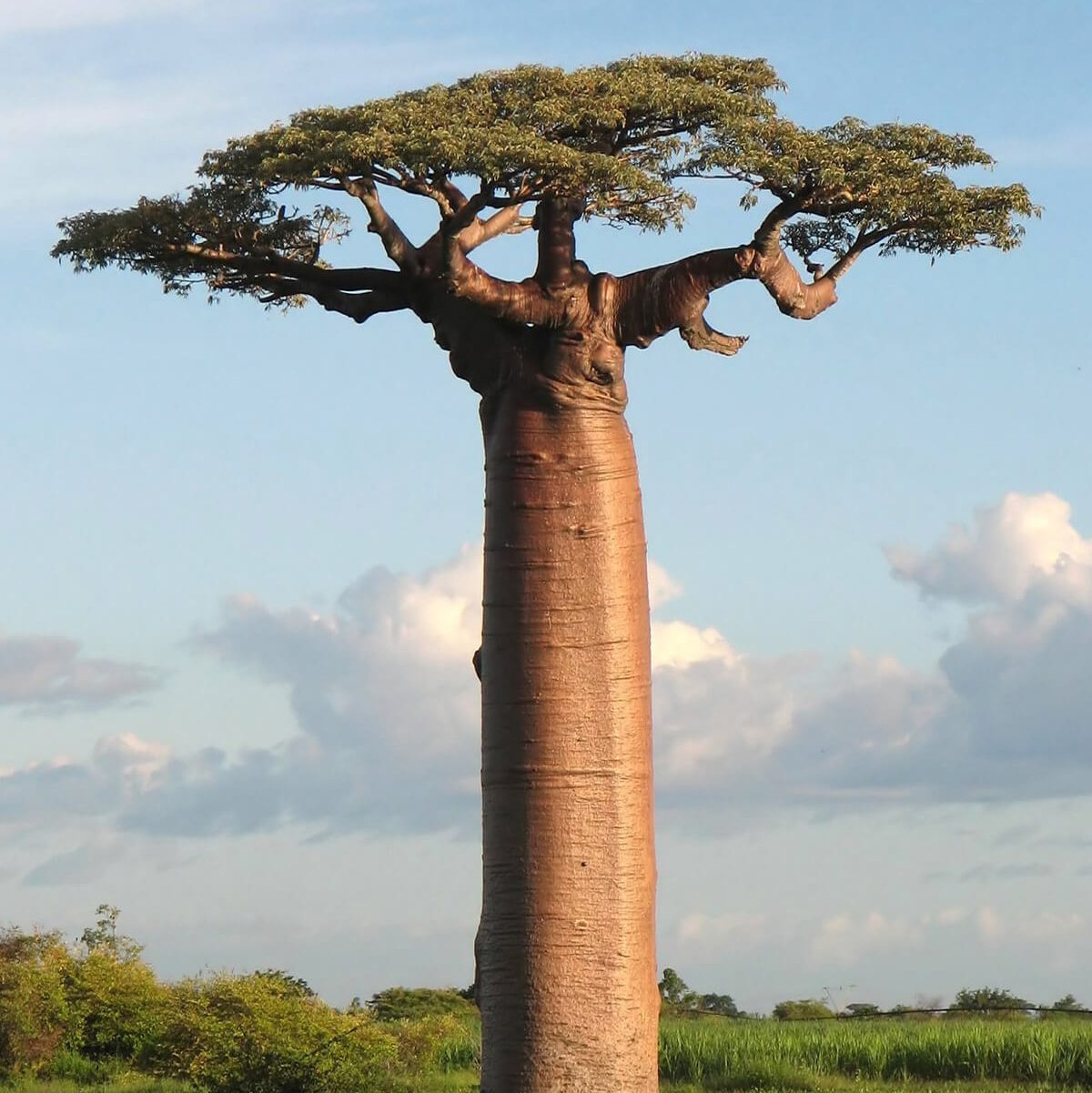
The Baobab Tree
Native to the dryer regions of mainland Africa, and fondly known as the ‘Tree of Life’. They can have enormous, barrel-like trunks, which often hollow out over centuries into huge diameters. They are culturally and religiously important in many areas, having served as water reserves, shelter, and as part of herbal remedies.
The Mangrove Tree (Grove)
Found at tropical and subtropical climates as they cannot withstand cold temperatures. Only reaching heights between 2 and 10 metres, they are known for their dense tangle of curved roots which make them appear as if on stilts above the water. Mangrove forests protect the shoreline from wind and flood damage and stabilize the coastline, reducing erosion.


The Karri Tree
A type of eucalyptus tree found in Western Australia. It is one of the tallest hardwood trees in the World reaching up to 90 metres which helps provide habitats for a wide range of diverse wildlife. The smooth bark peels off in long vertical strips and is a sought-after resource for construction including furniture making and boats.
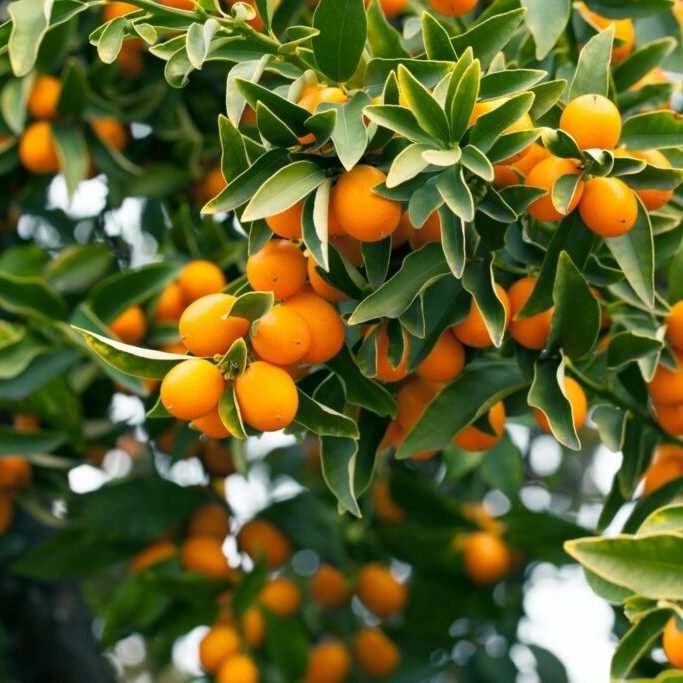
The Kumquat Tree
Native to Eastern Asia, the Kumquat tree typically reaches up to 3.6 metres tall. The Kumquat fuit is often turned into marmalade or jelly, but is also popular for use in cocktails, much like Olives. While the branches are sometimes used as Christmas decorations.
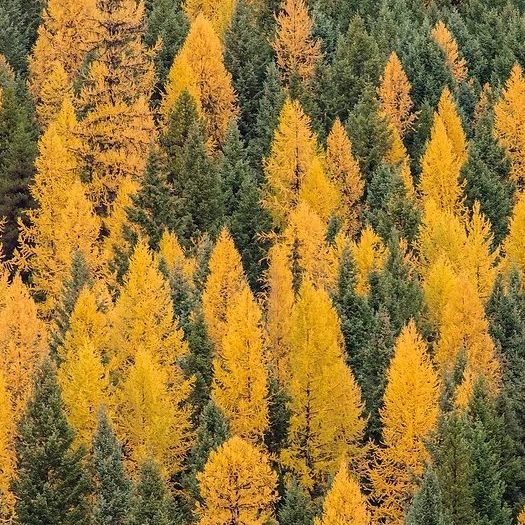
The Larch Tree
Native to the cooler regions of the Northern Hemisphere. First introduced to the UK in the 17th century, growing up to 50 metres. It is believed that during a siege, Julius Caesar tried burning down a log tower with brushwood kindling. Once the fires had died down, there was seemingly no physical effect on the tower due to it being made of resilient Larch timber.
You can find out more about how each of the trees in the Studio William forest inspire their ranges over on our Discovery pages here. Or head over to our shop to find your favourite tree inspired cutlery range!
1 comment